
frosted float glass
The Revolution in Construction Embracing Plastic Rebar Supports In the ever-evolving world of construction, innovative materials and techniques are constantly reshaping the industry. One such game-changer is the introduction of plastic rebar supports, an eco-friendly and cost-effective alternative to traditional steel rebars. This technological advancement not only offers improved durability but also paves the way for sustainable building practices. Plastic rebar, also known as polymer reinforced concrete (PRC), is a cutting-edge material that has been gaining traction due to its numerous benefits. Made primarily from high-density polyethylene (HDPE) or recycled plastic, it is designed to mimic the shape and function of conventional steel rebars. However, unlike steel, plastic rebar does not corrode, making it particularly suitable for marine or corrosive environments where rust can compromise the integrity of structures over time. The resistance to corrosion is just one of the many advantages of plastic rebar. It is also lighter in weight, reducing handling and transportation costs, and easing the installation process. This can lead to significant time savings on construction sites, thereby boosting productivity. Moreover, its non-conductive nature enhances safety, as it eliminates the risk of electrical accidents that can occur with metal rebars. Furthermore, plastic rebar supports have excellent thermal stability, which can help mitigate temperature-induced stress on structures. They also exhibit superior impact resistance and flexibility, allowing them to withstand earthquakes and other natural disasters better than their steel counterparts They also exhibit superior impact resistance and flexibility, allowing them to withstand earthquakes and other natural disasters better than their steel counterparts They also exhibit superior impact resistance and flexibility, allowing them to withstand earthquakes and other natural disasters better than their steel counterparts They also exhibit superior impact resistance and flexibility, allowing them to withstand earthquakes and other natural disasters better than their steel counterparts plastic rebar supports . In addition, the use of recycled plastics in their manufacture contributes to waste reduction and environmental sustainability. However, the adoption of plastic rebar is not without challenges. While it has shown comparable strength to steel in some tests, more extensive research is needed to fully understand its long-term performance under various load conditions. Additionally, the initial cost of plastic rebar is often higher than steel, although the reduced maintenance and longevity can offset this in the long run. Despite these hurdles, the potential of plastic rebar in revolutionizing construction is undeniable. As the industry continues to prioritize green solutions and sustainable practices, plastic rebar supports are likely to play a pivotal role. With ongoing advancements in material science, we can expect further improvements in the properties and applications of this innovative material, ultimately leading to more durable, efficient, and environmentally responsible construction projects. In conclusion, plastic rebar supports represent a promising shift towards a more sustainable future in construction. As we strive for a balance between progress and environmental preservation, embracing such alternatives becomes essential. The journey may be challenging, but the rewards – in terms of enhanced structural integrity, reduced carbon footprint, and increased efficiency – are well worth the effort.
about
frosted float glass
Building a Welding Table The Essential Guide Creating a dedicated welding table is a fundamental project for any welder. A good welding table not only provides a flat and stable surface for your projects but also enhances safety and efficiency in your work. In this article, we will guide you through the essential steps and considerations for making a welding table that meets your specific needs. Step 1 Planning Your Welding Table Before starting any construction work, it’s crucial to plan the design of your welding table. Consider the following factors 1. Size Determine the dimensions based on your typical projects. A standard size varies, but a good starting point is around 4 feet by 2 feet. If you often work on larger projects, you may need to increase the size. 2. Height The ideal height of a welding table should be comfortable for your working stance. Generally, it is around waist height. Some experienced welders prefer adjustable height tables for added versatility. 3. Material The tabletop material is critical. Common choices include steel and aluminum. Steel is more durable and can withstand higher temperatures, making it ideal for welding. Consider using a 1/4-inch or thicker steel plate for the top, as it prevents warping and provides a reliable surface. 4. Portability Decide whether you want a stationary table or a portable one on wheels. A mobile table can be advantageous for small workshops or when workspace is limited. Step 2 Gather Materials and Tools Once you have a design in mind, it’s time to gather your materials and tools. Here’s a basic list - Steel or aluminum sheet for the tabletop - Steel tubing for the frame and legs - Angle grinder - Welding machine - Metal clamps - Measuring tape - Safety gear (gloves, mask, apron) - Level Step 3 Constructing the Frame Start by building the frame of your welding table. Cut your steel tubing to the desired lengths for the table legs and support beams. A common design features a rectangular frame, with four legs at each corner for stability. 1. Weld the Frame Position the cut tubing pieces and use clamps to hold them in place. Tack weld the corners before fully welding to ensure everything is square. making a welding table 2. Add Cross Supports Strengthen the structure by adding cross supports beneath the tabletop. This will prevent sagging and increase the overall stability of the table. 3. Attach Legs Securely attach the legs to the corners of the frame. Ensure they are evenly spaced and square to provide a level working surface. Step 4 Attaching the Tabletop Once the frame is ready, it’s time to attach the tabletop 1. Place the Steel Plate Position the steel sheet on top of the frame. Ensure it overhangs evenly on all sides if that is part of your design. 2. Weld the Top Use even, consistent welds along the edges to secure the tabletop to the frame. Take care to prevent any warping by allowing the metal to cool as you work. Step 5 Finishing Touches After the welding is complete, you should consider a few finishing touches 1. Level the Table Use a level to check the surface. If needed, adjust the legs to ensure the table is perfectly flat. 2. Surface Treatment To prolong the life of your welding table, consider painting it with high-temperature paint or adding a rust-resistant coating. 3. Add Features Many welders enhance their tables with additional features like built-in clamps, storage for tools, or electrical outlets for equipment. Conclusion Making a welding table is a rewarding project that significantly boosts your welding capabilities. It not only provides a flat and sturdy surface but also helps keep your workspace organized and safe. By following these steps and carefully considering your needs, you can build a welding table that serves you well for years to come. Happy welding!
-

High quality industrial productsagement

High quality industrial products
View Details -

Meet the diverse needs of customers

Meet the diverse needs of customers
View Details -

Strict quality control

Strict quality control
View Details -

Top raw materials

Top raw materials
View Details -

Trusted supplier

Trusted supplier
View Details
Our application

news and information

valve factory
Located at the very heart of industrial innovation, valve factories have become pivotal in shaping t
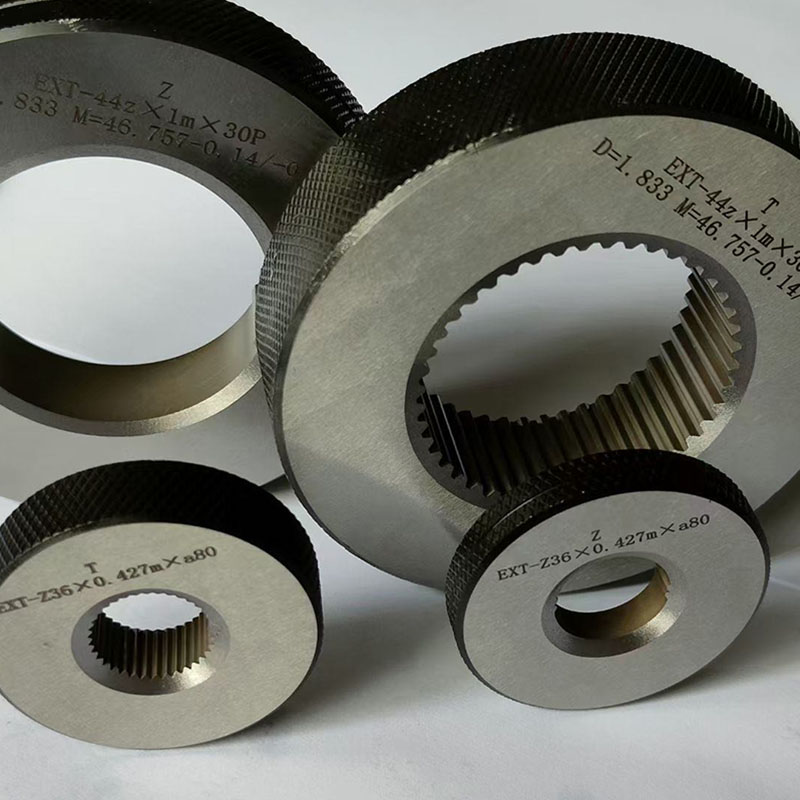
using a thread gauge
Using a Thread Gauge A Comprehensive Guide Threads are an essential component in countless mechanica
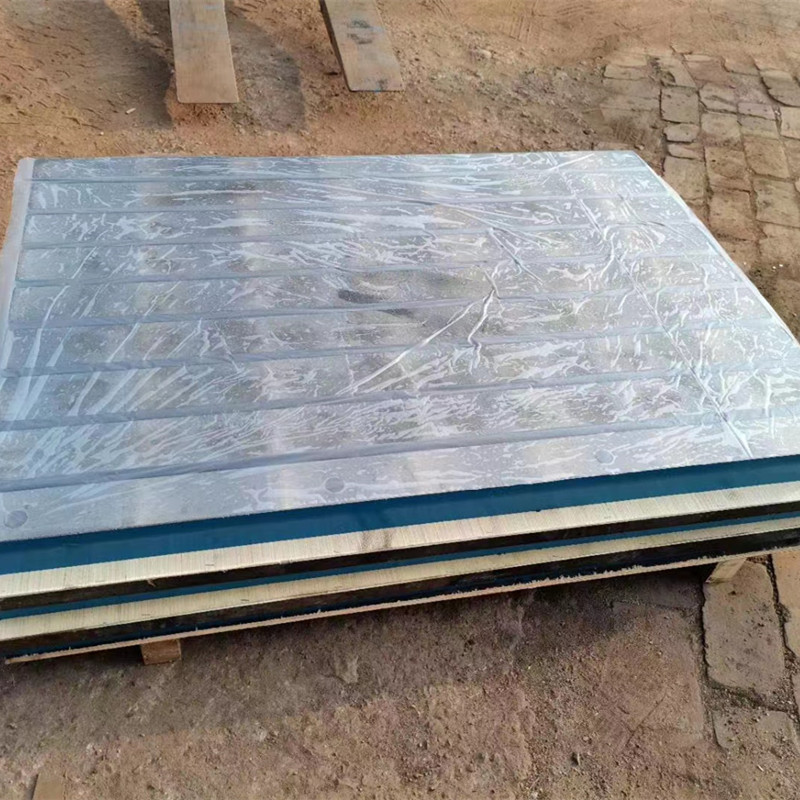
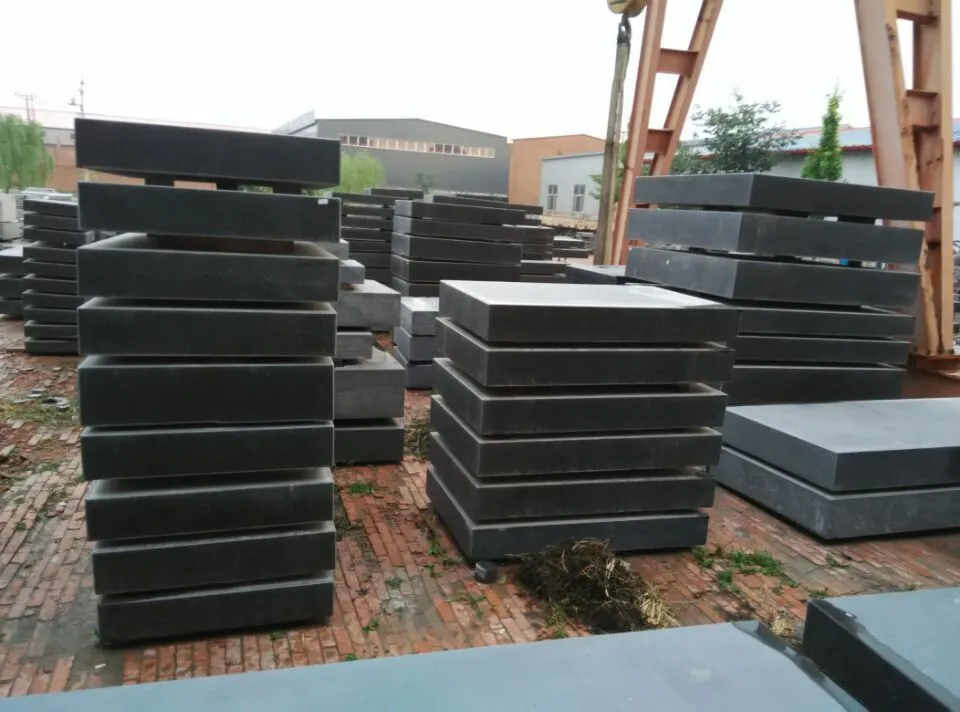
Welding Tables Available for Purchase Online at Competitive Prices
When it comes to welding projects, having the right equipment is crucial to ensure efficiency and qu
 English